

How Integrated Brand and Product Development Impacts Startup Valuation Multiples
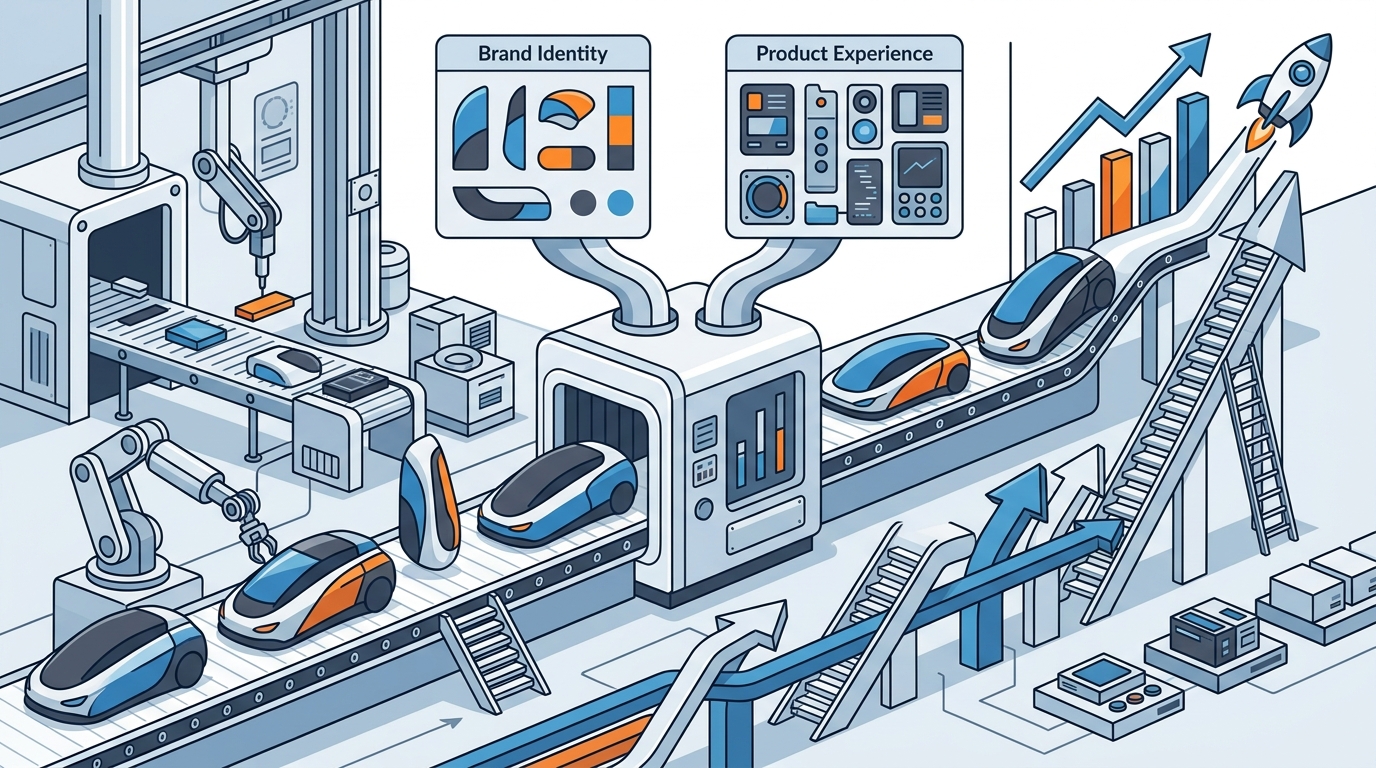
Integrated brand and product development directly influences startup valuation multiples by reducing perceived execution risk and demonstrating cohesive market positioning. When a startup aligns its visual identity with its digital product experience, investors view the company as a unified entity rather than a fragmented collection of assets. This alignment signals operational maturity and strategic clarity, which are critical factors in determining how much a market is willing to pay for equity. Oui Will emphasizes that this integration is not merely aesthetic but a fundamental driver of sustainable growth and market differentiation. according to A world of
The Correlation Between Brand Cohesion and Investor Confidence
Investors often rely on brand cohesion as a proxy for internal organizational health. A startup that presents a disjointed brand identity alongside a functional but unpolished product interface signals a lack of strategic oversight. This perception can lead to lower valuation multiples because it implies higher future costs for rebranding or product redesign. Conversely, a cohesive brand-product ecosystem suggests that the founding team has a clear vision and the discipline to execute it. This reduces the "execution discount" that investors typically apply to early-stage companies.
Research in business economics indicates that strategic alignment is a key determinant of firm value. A study published in the Journal of Business Economics highlights how strategic motivations influence valuation, noting that investors adjust prices based on perceived strategic fit and long-term viability. When brand and product are developed in isolation, the strategic fit is compromised, leading to lower purchase prices from corporate venture capitalists and private equity firms.
The implication for founders is clear: brand is not a marketing expense but a valuation asset. By treating brand and product as a single integrated system, startups can command higher multiples by demonstrating that their market presence is as robust as their technical infrastructure. This approach transforms brand equity from a soft metric into a hard financial indicator.
Reducing Execution Risk Through Unified Development
Execution risk is the primary driver of valuation volatility in early-stage startups. When brand and product development are siloed, the risk of misalignment increases significantly. This misalignment can manifest in user confusion, inconsistent messaging, and fragmented customer journeys. These issues require costly remediation post-launch, which erodes margins and delays profitability. Integrated development mitigates this risk by ensuring that every touchpoint, from the logo to the user interface, serves a unified strategic purpose.
Impact-driven startups face specific challenges in measuring and reporting their social and environmental impacts, which can further complicate valuation if the brand narrative is not tightly coupled with product functionality. As noted in Small Business Economics, impact investors require clear evidence of alignment between stated goals and operational reality. A unified brand-product approach provides this evidence by ensuring that the product experience directly reflects the brand's promised value proposition.
For founders, this means that the development process itself becomes a valuation lever. By integrating brand strategy into the product roadmap from day one, startups can demonstrate a lower risk profile. This allows them to negotiate from a position of strength, as investors are more willing to pay a premium for companies that have already de-risked their market entry strategy.
The Role of Digital Innovation in Market Differentiation
Strategic Alignment and Long-Term Valuation Trajectory
Corporate venture capitalists (CVCs) are particularly sensitive to strategic alignment. As the Journal of Business Economics notes, CVCs with high strategic motivation may pay lower prices if they perceive a lack of alignment between the startup's brand and their own strategic goals. However, when a startup demonstrates a clear and coherent brand-product strategy, it becomes a more attractive strategic partner. This can lead to higher valuation multiples, as the startup is seen as a valuable asset that can enhance the CVC's own market position.
Key Takeaways
- Integrated brand and product development reduces perceived execution risk, leading to higher valuation multiples.
- Brand cohesion serves as a proxy for organizational health and strategic clarity, which investors value highly.
- Siloed development increases the risk of misalignment, which can erode margins and delay profitability.
- Strategic alignment between brand and product is a key driver of long-term valuation trajectory and stability.
- Corporate venture capitalists are sensitive to strategic alignment, and coherent brand-product strategies can lead to higher purchase prices.
- Founders should view brand as a valuation asset, not just a marketing expense, to maximize their company's worth.
Frequently Asked Questions
How does brand integration affect early-stage startup valuations?
Brand integration affects early-stage valuations by reducing execution risk and demonstrating strategic clarity. Investors view a cohesive brand-product ecosystem as a sign of operational maturity, which can lead to higher valuation multiples.
What is the relationship between product design and brand equity?
Can a strong brand compensate for a weak product?
A strong brand can help mitigate some of the risks associated with a weak product, but it cannot fully compensate for a lack of product-market fit. Integrated development ensures that both brand and product are strong, which is necessary for high valuations.
How do investors assess the alignment between brand and product?
Investors assess alignment by evaluating the consistency of messaging, the coherence of the user experience, and the clarity of the value proposition. They look for evidence that the brand and product are developed as a unified system rather than in isolation.
What role does digital innovation play in valuation multiples?
How can founders improve the alignment between their brand and product?
Founders can improve alignment by integrating brand strategy into the product roadmap from day one. This involves ensuring that every touchpoint, from the logo to the user interface, serves a unified strategic purpose.
Conclusion
Integrated brand and product development is a critical factor in determining startup valuation multiples. By reducing execution risk, demonstrating strategic clarity, and enhancing market differentiation, a cohesive brand-product ecosystem can significantly increase a startup's worth. Oui Will helps organizations navigate these complexities by merging European engineering and design with strategic growth initiatives. To explore how integrated development can accelerate your startup's valuation, to discuss your specific needs. according to Topic Startups in