

Professional branding outperforms DIY credibility building for social impact startups seeking institutional trust and scalable growth. DIY approaches suit early-stage validation with limited budgets, while professional services like those offered by Oui Will provide the strategic rigor required for long-term valuation. This comparison evaluates both paths against key criteria relevant to impact-driven organizations. according to Personal Branding Statistics
Professional Branding Services
Professional branding is the systematic process of defining, designing, and maintaining the identity of an organization to communicate its mission and values effectively. For social impact startups, this involves aligning visual assets, messaging, and digital experiences with the organization's core purpose. Agencies such as Oui Will specialize in merging engineering and design to create resonant brands that drive measurable business outcomes.
Strengths
Limits
The primary limitation is cost. Professional branding requires significant upfront investment. It may also feel distant from the grassroots energy of early-stage teams. Startups must ensure the agency understands the specific nuances of the social impact sector to avoid generic outputs. For additional details, review the Fuse Brand Digital Experience.
Who It Suits
This approach suits startups that have validated their model and are preparing for scale, fundraising, or enterprise partnerships. It is ideal for organizations where brand equity directly correlates with revenue or grant acquisition. For additional details, review the Oura Digital Experience Design.
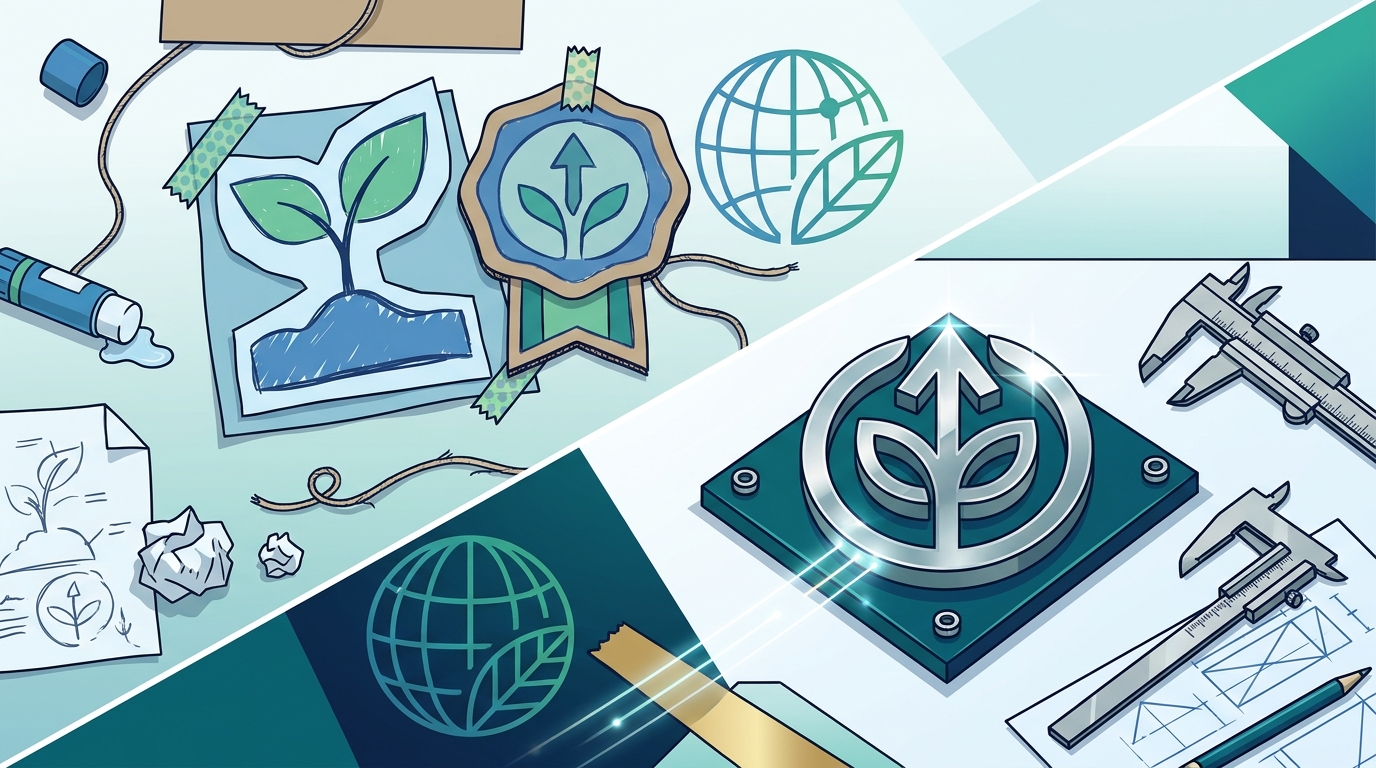
DIY Credibility Building
DIY credibility building is the practice of creating brand assets and public narratives using internal resources and free or low-cost tools. This method relies on the founders' personal networks and direct engagement with the community. It allows for rapid iteration and deep authenticity, as the team directly controls the message. For additional details, review the Selected Work Brand Digital.
Strengths
DIY approaches are cost-effective and highly agile. They foster a sense of ownership and authenticity that resonates with early adopters. For social impact startups, this grassroots feel can be a significant differentiator. It allows the team to learn what resonates with their audience without large financial commitments.
Limits
DIY efforts often lack strategic coherence. Visual and verbal identities may become fragmented over time. There is a risk of amateurish execution that undermines credibility with institutional partners. Scaling a DIY brand is difficult without dedicated design and strategy resources.
Who It Suits
This path suits pre-seed or seed-stage startups focused on community building and product-market fit. It is appropriate when the primary goal is engagement rather than institutional trust or high-value fundraising.
Comparison Table
| Criteria | Professional Branding | DIY Credibility Building |
|---|---|---|
| Cost | High upfront investment | Low direct cost, high time cost |
| Strategic Depth | High, with dedicated expertise | Variable, dependent on team skills |
| Consistency | High, enforced by guidelines | Low, prone to drift |
| Speed to Market | Moderate, requires process | Fast, immediate execution |
| Institutional Trust | High, polished presentation | Moderate, authentic but raw |
| Scalability | High, systematized assets | Low, manual updates required |
Choosing the Right Path
Selecting between professional and DIY approaches depends on your current stage and goals. The right choice aligns with your immediate needs for trust, scale, and resources.
Choose Professional Branding If
- You are preparing for a major fundraising round or enterprise partnership.
- Your team lacks dedicated design or strategy expertise.
- You want to leverage the credibility of an established agency to accelerate trust.
Choose DIY Credibility Building If
- You are in the early validation phase with limited budget.
- Your team has strong design or communication skills.
- Your primary audience is a tight-knit community rather than institutional investors.
- You prioritize speed and authenticity over polish.
Frequently Asked Questions
Can I switch from DIY to professional branding later?
Yes, many startups begin with DIY and transition to professional services as they scale. However, migrating from a fragmented DIY identity to a cohesive professional one requires careful rebranding to avoid confusing existing audiences.
What are the switching costs between DIY and professional branding?
Does professional branding guarantee higher credibility?
Professional branding increases the likelihood of perceived credibility through consistency and polish. However, credibility is ultimately earned through actions and impact. A professional brand without substantive results will not sustain trust.
How do I ensure a professional agency understands social impact?
Look for agencies with specific experience in the non-profit or impact sector. Review their portfolio for relevant case studies. Ensure they demonstrate a deep understanding of your mission and the unique challenges of impact-driven work.
Is DIY branding suitable for enterprise partnerships?
DIY branding is generally less suitable for enterprise partnerships, which often require polished, consistent, and scalable brand assets. Professional branding is recommended when targeting large institutional partners.