

Choosing the right design partner is critical for healthtech and biotech firms. The right studio accelerates time-to-market and builds trust. This guide evaluates top design studios for healthtech and biotech. It covers branding, medical device design, and digital strategy. You will learn how to select a partner that fits your specific regulatory and technical needs. For additional details, review the Oui Will Digital Brand.
Healthtech Design Studios
Healthtech design studios specialize in user experience for digital health platforms. They focus on accessibility and data visualization. These firms understand the unique constraints of healthcare software. They design interfaces that reduce cognitive load for clinicians and patients. For additional details, review the .
Top studios in this space often have deep roots in software engineering. They build products that comply with HIPAA and GDPR. Their work extends beyond aesthetics to functional reliability. They ensure that digital tools integrate seamlessly with existing hospital systems. For additional details, review the Customer Experience.
Key Capabilities in Healthtech
Biotech Branding Agencies
Biotech branding agencies help scientific companies communicate complex ideas. They translate dense research into clear market narratives. This translation is vital for attracting investors and partners. A strong brand differentiates a biotech firm in a crowded market. For additional details, review the Frequently Asked Questions.
These agencies often have teams with scientific backgrounds. They understand the nuances of drug discovery and development. They create visual identities that convey innovation and rigor. This credibility is essential for securing funding and regulatory approval. For additional details, review the About.
Building Scientific Credibility
Agencies in this sector also manage thought leadership. They help executives publish whitepapers and speak at conferences. This visibility positions the company as a leader. It also drives inbound interest from potential collaborators.
Medical Device Design
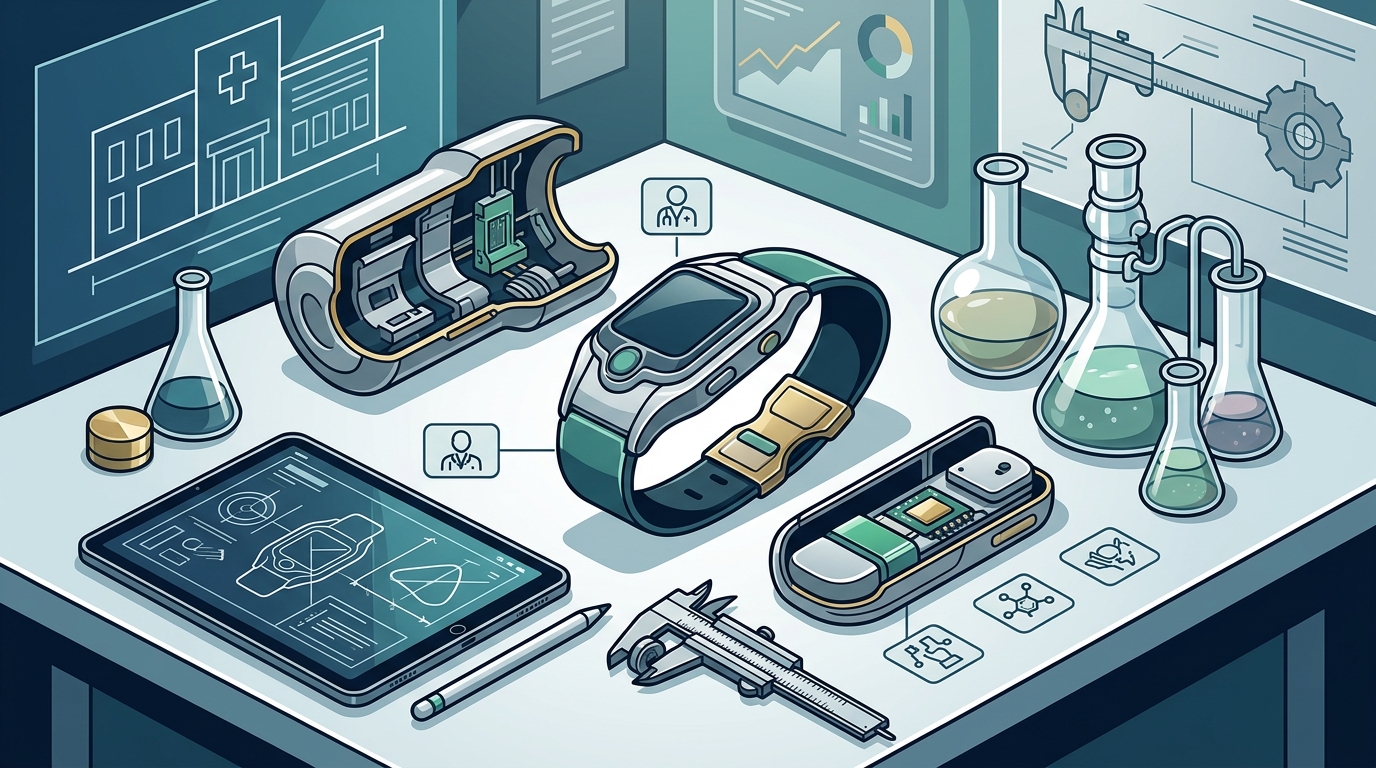
Medical device design focuses on the physical and digital aspects of hardware. It requires strict adherence to safety standards. Designers must consider ergonomics and usability in clinical settings. They also ensure that devices meet FDA and CE marking requirements.
Specialized studios in this area work closely with regulatory experts. They design for manufacturability and cost efficiency. Their prototypes undergo rigorous testing to ensure reliability. This process minimizes the risk of product recalls.
Regulatory Compliance in Design
These studios also focus on user safety. They design fail-safes and error-proofing mechanisms. This reduces the likelihood of user error. It also protects patients from potential harm.
Healthcare Digital Strategy
Healthcare digital strategy defines the roadmap for digital transformation. It aligns technology investments with business goals. A clear strategy ensures that digital initiatives deliver measurable value. It also helps organizations navigate regulatory changes.
Aligning Technology with Outcomes
Partners in this space often provide change management support. They help staff adopt new tools and workflows. This human-centric approach ensures successful implementation. It also maximizes the utility of digital investments.
Comparison of Design Studio Specializations
| Specialization | Primary Focus | Key Deliverables | Regulatory Emphasis |
|---|---|---|---|
| Healthtech Design | Digital health platforms | UX/UI, Software Development | HIPAA, GDPR |
| Biotech Branding | Scientific communication | Brand Identity, Marketing | Investor Relations |
| Medical Device Design | Hardware and software integration | Prototypes, Regulatory Docs | FDA, CE Marking |
| Digital Strategy | Transformation roadmap | Strategy Plans, Change Management | Compliance Frameworks |
Key Takeaways
- Healthtech design studios focus on user experience and data security for digital platforms.
- Biotech branding agencies translate complex science into clear market narratives.
- Medical device design requires strict adherence to safety and regulatory standards.
- Healthcare digital strategy aligns technology investments with business and clinical goals.
- Regulatory compliance is a core component of all healthcare design work.
- Choosing a partner with domain expertise reduces risk and accelerates time-to-market.
- End-to-end capabilities ensure consistency across branding, design, and development.
- Data-driven approaches maximize the return on digital investments.
Frequently Asked Questions
What is the difference between healthtech and biotech design?
Healthtech design focuses on digital platforms and software. Biotech design often involves branding and communication for scientific products. Healthtech emphasizes user experience, while biotech emphasizes scientific credibility.
Why is regulatory compliance important in healthcare design?
Regulatory compliance ensures patient safety and data privacy. It is required for market access in many regions. Non-compliance can lead to legal penalties and reputational damage.
How do I choose the right design studio for my healthtech company?
Look for studios with experience in your specific niche. Review their portfolio for relevant case studies. Ensure they understand the regulatory landscape. Also, assess their technical capabilities and team expertise.
Can a single agency handle both branding and product design?
What role does data play in healthcare digital strategy?
How long does it take to design a medical device?
The timeline varies based on complexity and regulatory requirements. Simple devices may take months, while complex systems can take years. Early engagement with regulatory experts can shorten this process.